










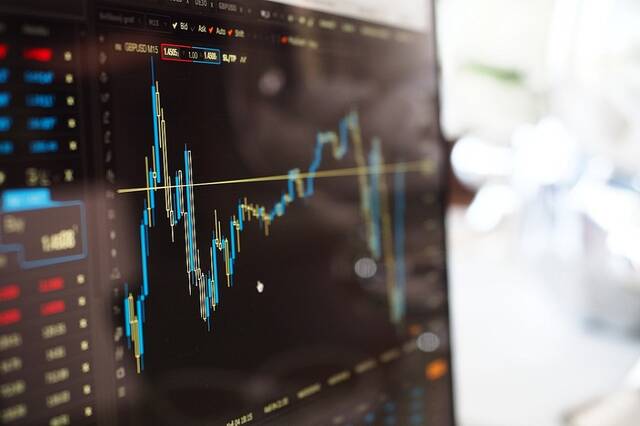
Retail access to global markets is at an all-time high. No longer confined to local or U.S. stocks, today's individual traders can invest around the clock across Asia, Europe, Latin America and beyond. Trading has become borderless.
This shift isn’t just about new platforms, it’s about everyday investors chasing opportunities wherever they appear. From Japan’s tech heavyweights to Brazilian commodities and Indian indices, retail portfolios are going global and quietly reshaping market dynamics.
What’s Fueling This Global Shift
Retail trading isn’t confined to borders anymore and it didn’t happen by accident. A mix of access, speed, and influence is changing how retail investors look at the world.
1. Multi-Market Platforms Are Accessible
Modern trading platforms now open doors to Tokyo, London, Mumbai, and São Paulo with a single account. According to the 2024 World Economic Forum, retail investors from 13 countries reported expanded access to global markets, driven by zero-fee platforms and API-powered brokerages.
These platforms offer users access to stocks, ETFs, forex, and even futures in multiple regions, without the need for separate foreign accounts. A trader in Dubai can hold Indian midcaps during Asian hours, switch to Eurozone stocks mid-day, then trade U.S. futures overnight—without ever logging off.
2. Round-the-Clock Trading Advantages
With equity markets open nearly 24/5 globally, retail traders can exploit events as they happen. For instance, a policy decision by the BOJ at 3 a.m. ET can immediately impact USD/JPY or Tokyo-listed stocks. If it matters, it can be traded—no waiting for the next session.
3. Global Events Drive Sentiment
Major global news, like the European Central Bank (ECB) meetings, BRICS announcements, or Indian RBI policy updates, trigger immediate moves across multiple markets. In early 2025, BRICS expansion rumors pushed emerging-market currencies and equities higher overnight, drawing strong interest from retail traders globally.
New Patterns in Retail Portfolios
What people are buying has quietly changed. Retail portfolios no longer mirror what they used to and that tells a bigger story.
1. Asian Tech & Latin American Commodities
A growing number of retail traders are investing in Asian tech giants and Latin American commodity firms. Access to Japanese and Chinese ADRs, plus Brazilian mining or agricultural stocks, has grown by over 35% among U.S. retail accounts since 2022.
2. European Midcaps and Niche Sectors
These mid-sized companies often trade with smaller volumes and less analyst coverage. That makes them appealing for retail traders seeking volatility and overlooked value. Auto-parts, green energy, and health-tech companies in Europe have become favorite picks among global retail portfolios.
3. More FX Exploration
Retail traders are increasingly diversifying into forex. With platforms offering FX alongside equities, more casual investors now track EUR/USD, USD/JPY, and other crosses. Forex trading accounts for roughly 6% of daily FX volume from retail participants not massive, but increasingly mainstream.
Considerations for Global Trading
Global access brings fresh opportunity—but risk is still real.
1. Currency Risk
Trading overseas means watching exchange rates. Profits in foreign stocks can vanish if your home currency strengthens. Smart traders use hedging tools or select USD-denominated assets to avoid unwanted exposure.
2. Geopolitical & Regional Headlines
Local decisions matter globally. For example, currency controls in India or political unrest in Brazil can affect equity and forex markets instantly. Retail traders need constant awareness of policy calendars and risk flags across regions.
3. Research & Data Availability
In U.S. markets, information flows freely. Abroad, disclosure standards vary. European midcaps might lack detailed SEC-style filings, and some Asian firms only publish in local language. Traders must seek reliable brokers or data providers or risk flying blind.
4. Technology & Platform Strength
To trade internationally with confidence, many rely on the MetaTrader 5 intuitive platform, which supports global instruments, multicurrency accounts, and advanced charting. Its ease of use and integrated tools make diverse setups much easier to manage.
Power Moves: How to Trade Globally Smartly
Here are best practices for retail traders venturing beyond borders:
- Clean Onboarding — Choose brokers offering global access with clear fees and no hidden costs. Transparent margin and settlement rules are essential.
- Currency Strategy — Understand when your gains are traded back, and use hedging or position sizing accordingly.
- News & Events Calendar — Use a global economic calendar to keep your eyes on Asian holidays, ECB releases, and emerging-market earnings.
- Data-Driven Analysis — Supplement limited local disclosures with analyst reports, earnings transcripts, and trusted platforms.
- Local Market Hours — Know when each market sleeps, reacts, and cycles. You don’t want to lag on a 5 p.m. Tokyo move.
Conclusion
The era of U.S.-centric trading is over. Retail traders are building truly global portfolios, driven by multi-market platforms, 24/5 access, and global news cycles. It’s a powerful evolution—and it’s happening quietly, but meaningfully.
The risks are real—but so are the rewards. Those who trade globally successfully navigate currency hurdles, geopolitical events, and data limits. And with smart tools (like MetaTrader 5 intuitive platform) and strategic approaches, ordinary traders can join the global flow with clarity and confidence.
According to rowadeleqtsad The future of retail trading isn’t local—it’s global by design.



